Introduction
Heating, Ventilation, and Air Conditioning (HVAC) systems are essential for maintaining comfortable indoor air quality and temperature, especially in homes and commercial spaces. A crucial component of every HVAC system is the filter. HVAC filters protect your system from dust, debris, and other particles while also improving indoor air quality. In this guide, we’ll cover the types of HVAC filters available, their benefits, how often they should be replaced, and tips for selecting the best filter for your needs.
1. What is an HVAC Filter?
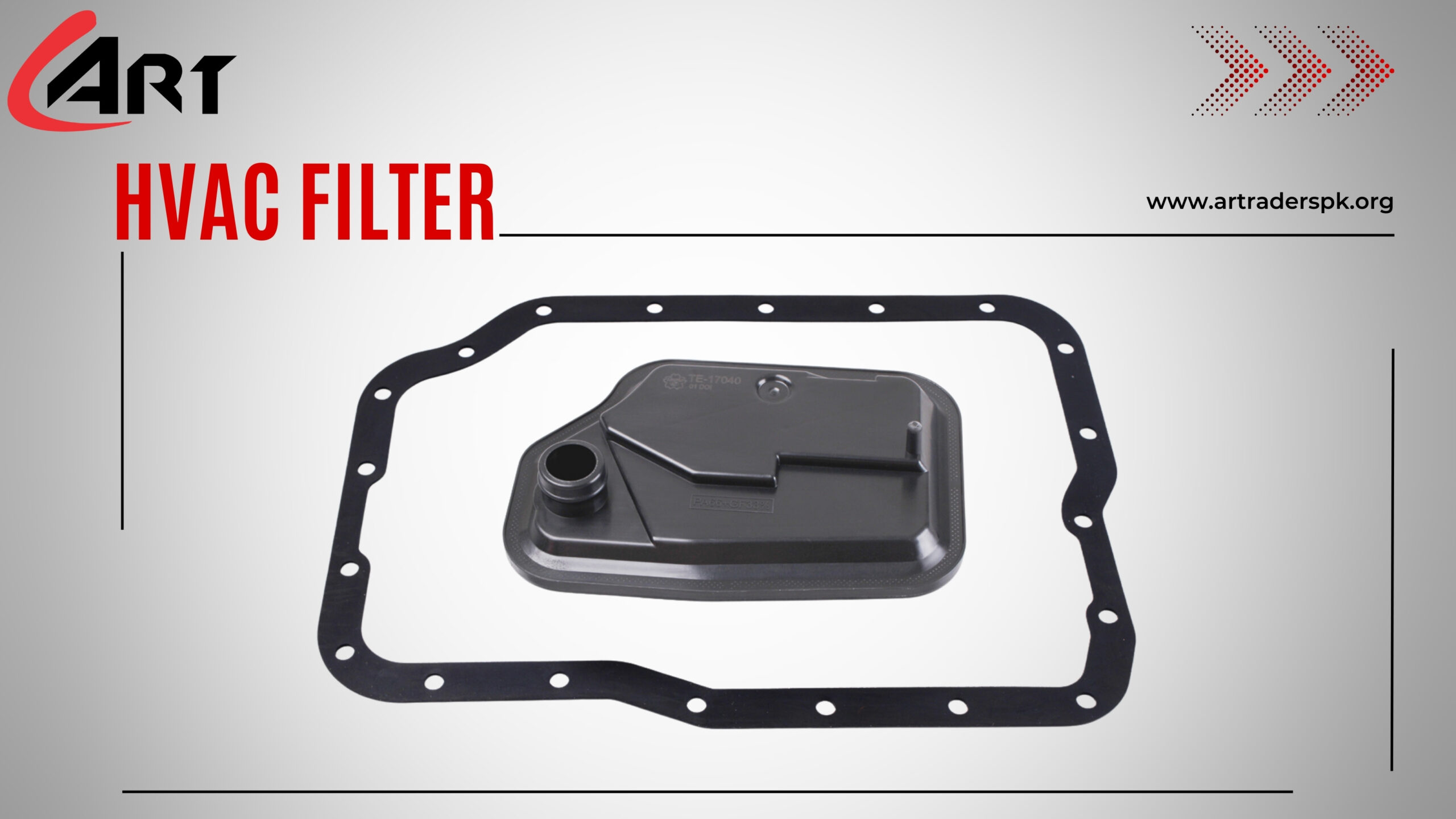
An HVAC filter traps airborne particles, preventing them from circulating through your HVAC system and back into your living space. They help keep your system clean and prolong its lifespan, and they contribute to the quality of air in your environment. A clean filter also allows for efficient airflow, which can improve the system’s energy efficiency.
2. Types of HVAC Filters
There are several types of HVAC filters, each with unique advantages depending on your requirements for filtration, budget, and energy efficiency.
- Fiberglass Filters: These are the most affordable and basic filters, made from layered fiberglass fibers. They are effective at capturing larger particles but are not ideal for those looking to filter out smaller allergens or pollutants.
- Pleated Filters: Made from polyester or cotton paper, pleated filters have a larger surface area due to their folds, allowing them to capture more particles than standard fiberglass filters. They’re a popular choice for homeowners as they balance cost and filtration capability.
- Electrostatic Filters: These filters use static electricity to attract particles and trap them. They are available in both disposable and washable versions. Electrostatic filters can be very effective for homes with pets or smokers.
- High-Efficiency Particulate Air (HEPA) Filters: HEPA filters capture 99.97% of particles as small as 0.3 microns. They are ideal for people with allergies or respiratory conditions but can restrict airflow in some HVAC systems due to their high filtration level.
- Carbon Filters: These filters are specifically designed to remove odors, smoke, and volatile organic compounds (VOCs) using activated carbon. They are often used in conjunction with other filters to address air quality concerns.
3. Benefits of Using HVAC Filters
Using high-quality HVAC filters has several key benefits:
- Improved Air Quality: Filters help capture allergens, pollutants, and other airborne particles, making indoor air healthier to breathe.
- System Protection: By trapping debris and dust, filters protect sensitive HVAC components, preventing damage and costly repairs.
- Energy Efficiency: Clean filters allow for better airflow, reducing the strain on your HVAC system and potentially lowering energy costs.
- Enhanced Comfort: A good filter contributes to more consistent and comfortable indoor temperatures by allowing efficient system performance.
4. MERV Ratings Explained
The Minimum Efficiency Reporting Value (MERV) rating is a measure of a filter’s ability to capture particles. The higher the MERV rating, the finer the filtration.
- MERV 1-4: Basic filtration, suitable for capturing large particles like dust and lint.
- MERV 5-8: Medium filtration, effective for larger allergens like pet dander and mold spores.
- MERV 9-12: High filtration, great for capturing particles such as pollen and dust mites.
- MERV 13-16: Superior filtration, suitable for environments with high air quality demands, like hospitals. These can capture bacteria and smoke particles.
Note: Not all HVAC systems can handle high MERV ratings without reducing airflow, so check your system specifications before opting for a filter with a very high MERV rating.
5. How Often Should You Replace HVAC Filters?
The frequency of replacing HVAC filters depends on several factors:
- Type of Filter: Disposable filters like fiberglass or pleated filters should generally be replaced every 1 to 3 months. Washable filters can be reused after cleaning but should be thoroughly dried before reinserting.
- Home Environment: Homes with pets, smokers, or in areas with high pollution levels may require more frequent filter replacements.
- Seasonal Use: In peak seasons (summer and winter), HVAC systems run more frequently, and filters may need to be changed more often.
6. Tips for Choosing the Right HVAC Filter
When selecting an HVAC filter, consider these factors:
- Check the HVAC System Specifications: Some systems can’t handle the airflow restrictions of high-efficiency filters, so check your system’s manual.
- Identify Your Air Quality Needs: Those with allergies, asthma, or respiratory issues may benefit from higher MERV or HEPA filters.
- Consider Your Budget: Higher MERV ratings usually come with higher costs. Balance between budget and air quality needs.
- Evaluate Additional Features: Some filters offer features like activated carbon layers for odor control, or antimicrobial coatings to prevent mold growth.
7. Proper HVAC Filter Maintenance
Routine maintenance of HVAC filters is simple but vital:
- Regular Inspections: Check your filter monthly, especially during peak seasons. If it appears clogged or dirty, it’s time for a change.
- Correct Installation: Always install filters according to the airflow direction indicated on the filter itself.
- Keep the Area Around the HVAC System Clean: Minimize the amount of dust and debris around the system to reduce the load on the filter.
Conclusion
HVAC filters are a small but essential component of a healthy and efficient HVAC system. Choosing the right filter type, understanding MERV ratings, and knowing when to replace or clean your filter will improve both air quality and the longevity of your HVAC system. By making a small investment in a quality filter and maintaining it regularly, you’ll breathe easier and enjoy a more comfortable living space year-round.




3 thoughts on “The Ultimate Guide to HVAC Filters: Types, Benefits, and Maintenance”
Lorem ipsum dolor sit amet, consectetur adipiscing elit, sed do eiusmod tempor incididunt ut labore et dolore magna aliqua. Quis ipsum suspendisse ultrices gravida. Risus commodo viverra maecenas accumsan lacus vel facilisis.
Lorem ipsum dolor sit amet, consectetur adipiscing elit, sed do eiusmod tempor incididunt ut labore et dolore magna aliqua. Quis ipsum suspendisse ultrices gravida. Risus commodo viverra maecenas accumsan lacus vel facilisis.
Lorem ipsum dolor sit amet, consectetur adipiscing elit, sed do eiusmod tempor incididunt ut labore et dolore magna aliqua. Quis ipsum suspendisse ultrices gravida. Risus commodo viverra maecenas accumsan lacus vel facilisis.